


Different landscapes, climates, microclimates and soils make the distribution, variety and botanical behaviour different. The diversity emerges especially during the distilling of the nectar and other plant secretions which is made in beehives or rucs. Honey is a symptom of floral richness and, above all, of environmental health due to the presence of bees. Apis mellifica also has the ability to extract more juice from the botanical variety of a territory than fans of medicinal herbs and Ratafia producers. This is why we find and appreciate honey from heather, chestnut, holm oak or alfalfa blossom. Hence the honey of a thousand flowers varies from one place to another and has different flavours and aromas depending on the skills and tastes of each beekeeper.
The Gerona regions stand out for their dry and humid lowland and mountain forests, their Mediterranean and alpine meadows. Bees do not discriminate against any species, natural or naturalized, wild, field or garden, urban, semi-urban or rural. This makes honey infinite and varies in taste, even if made from a single variety.
Honey is the sweet culmination of a healthy meal, especially for its faithful followers who seek permanent ties with nature, for all the health benefits it offers beyond its sweetness. Many people prefer to sweeten tea with honey. Also used to make cakes, it is essential in classic nougats and bread with honey is one of the great childhood memories for those with a sweet tooth.
Honey with the 2020-2021 Girona Excel·lent seal
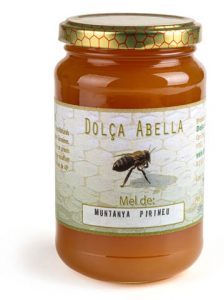
Mountain honey from the Gerona Pyrenees
Dolça Abella is made up of two nomad beekeepers who follow the optimal flowering moments of the different species of honeybees, with a workshop and shop in Crespià, where they raise bees. Thus, from the hives of the Pyrenees they have obtained this relaxing mountain honey with hints of the large-leaf lime tree. Its colour is a pale amber, its aroma is slightly floral, of green vegetables, and hints of balm and menthol. To the palate, it is slightly balsamic, with a bitter finish and some sour hints.
Company: Dolça Abella, SC
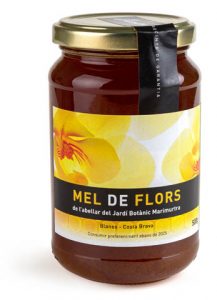
A thousand flowers from the botanical garden Marimurtra
The bees from 14 beehives distributed over the 4.5 hectares of the Marimurtra botanical garden, in Blanes, make one of the most exceptional honeys that anyone can imagine and taste. They use the pollen from the flowers of 4,000 species from all over the world. The Cal Faust Foundation, set up in 1951, collects 150 kilos of this extraordinary honey every year.
Company: Fundació Cal Faust

Cap d’Ase del Cap de Creus
Cap de d’ase is one of the characteristic flora species found at Cap de Creus, which reaches its maximum splendour at the beginning of spring, when this natural park is filled with patches of purple. This allows Dolça Abella, which controls 300 beehives in different parks and locations in the Gerona region, to obtain honey with a large amount of thyme. The honey from cap d’ase has a mild floral aroma, is sweet and has subtle notes of tartness.
Company: Dolça Abella, SC
El jurat del
tast d’olis.
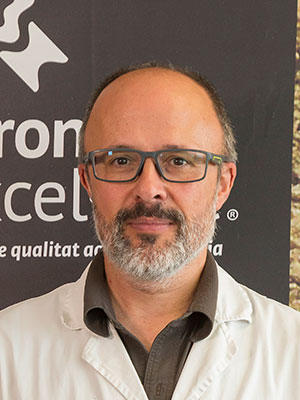
Lluís Guerrero
Tècnic investigador de l’IRTA (Institut de Recerca i Tecnologia Agroalimentàries)
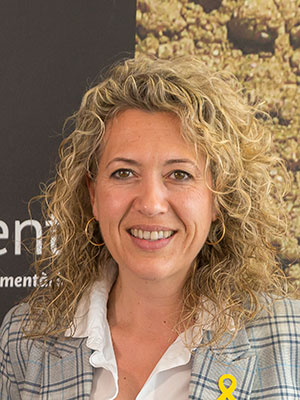
Natàlia Roig
Sommelier i professora del CETT (Campus de Turisme, Hoteleria i Gastronomia) de Barcelona
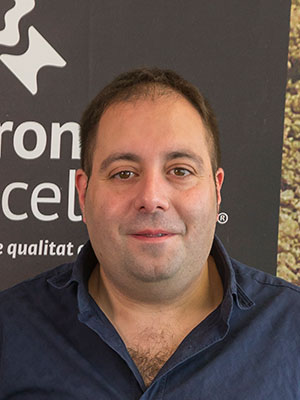
Joan Morillo
Sommelier i cap de sala del restaurant Divinum, de Girona
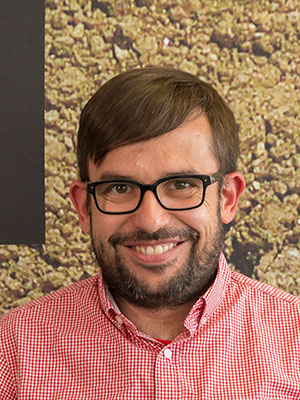
Josep Sucarrats
Periodista i director de la revista gastronòmica Cuina
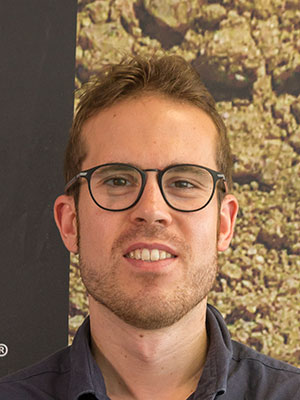
Marc Orozco
Periodista gastronòmic. Programa Deixa’m tastar, de la Cadena Ser