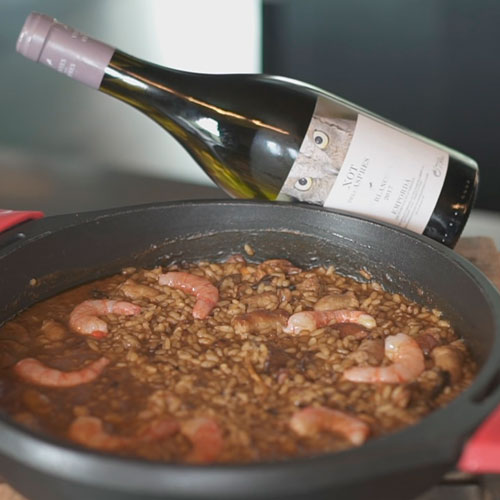
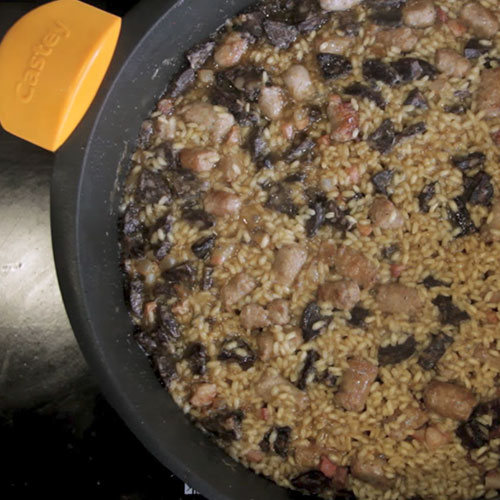
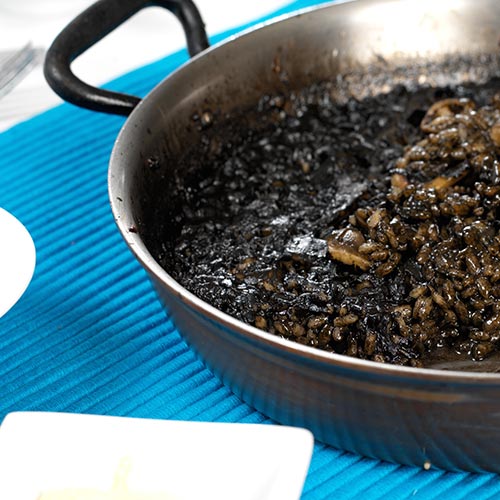
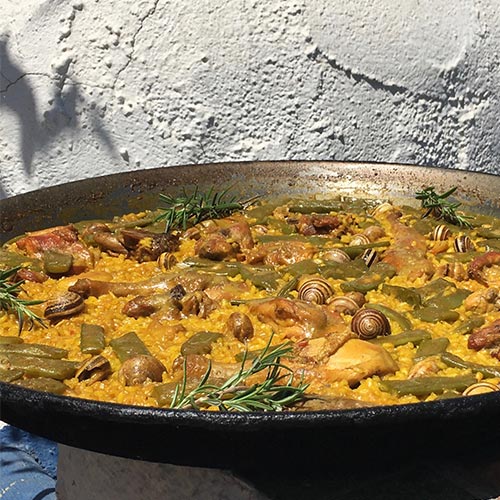
In our culture, a plate of rice is the perfect excuse for family and friends to come together. Talking about arrossada means cooking for a crowd. Therefore, rice is one of the main ingredients in the country’s recipes. Casserole rice, which combines the vegetable garden, farmyard, sea and mountains in the most intense and harmonious way, is the most prized in this territory. This dish probably existed long before we went to America, because in our stir-fry bases, we only use garlic and onion. Precisely, rice cultivation has been known in the Empordà wetlands since the Middle Ages.
The rice fields spread extensively across Alt and Baix Empordà. They are cultivated between the mouths of the Muga, Fluvià and Ter rivers, protected areas recognised as natural parks: Aiguamolls, in Alt Empordà, and Montgrí, the Medes Islands and Baix Ter, in Baix Empordà. There is a reason why rice fields have been considered an example of agro-environmental farming.
We talk about the rice from Pals because, for centuries, most of the cultivated area has been around this municipality in the lower Ter, where the landscape changes beautifully with each season. During the colder months you can enjoy the original wetlands, a natural landscape. Between the end of April and the beginning of May, the fields are flooded for planting. Summer shows that domesticated landscape of flat green cereal fields, dancing in the wind and breeze as they ripen. Then in autumn, it is time to harvest, followed by the preparation work for the new rice season.
Rice from Pals with the 2025-2026 Girona Excel·lent seal
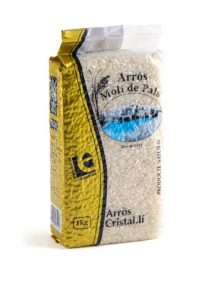
Molí de Pals Rice – Semi-long grain crystalline rice
The rice mill in Pals has been historically documented since 1452, almost the beginning of rice farming activity. The Parals family, owner since 1984, practices environmentally friendly agriculture. This semi-long grain rice is one of its most celebrated crops, as it absorbs less water during cooking and maintains a firm texture, making it ideal for dishes in which the sauce is served separately. The cooler summers and lower latitudes mean that the grain matures slowly, making it more resistant and with a better texture once cooked.
Company: Arròs Molí de Pals