The Girona regions can boast about being the heart of ratafia restoration, thanks to the massive Ratafia Festival (Festa de la Ratafia) in Santa Coloma de Farners and the Ratafia Fair (Fira de la Ratafia) in Besalú. Traditionally made for Sant Joan, this hydroalcoholic maceration liqueur is based on green nuts, herbs, fruit, and spices, and was consumed locally or within families.
However, the popularisation of ratafia made with green walnuts as a differentiating element, has encouraged some entrepreneurs to create companies dedicated to the liquor industry. Apart from ratafia, the homemade liquors sector includes different styles of beer, gins, liqueurs, juices and vermouths, although these drinks were judged by sommeliers as part of the wine tasting.
Liqueurs, ratafias and spirits are intended to showcase the landscape and culture. Local proposals stand out for using local raw materials, some inspired by the IGP Poma de Girona fruit: ciders, spirits or apple juices made from the different varieties grown.
Local drinks also reflect the growth of craft beer. Many entrepreneurs have opened microbreweries, brewpubs or malt houses, while others have become hop producers.
Local drinks with the 2025-2026 Girona Excel·lent seal
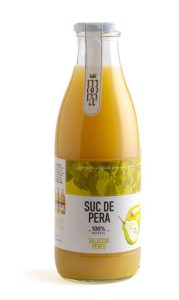
Mooma Pear Juice
This delicious pear juice is made with a selection of local pears harvested at the optimum point of ripeness. Mooma Pear Juice is a 100% natural product, without the addition of water, sugar or any type of additive or preservative. It is produced by the owners of Mooma, the third generation of the Mas Saulot family, who make natural juices from their fruit grown on the Empordà plain.
Company: Agroalimentària Mas Saulot, SL
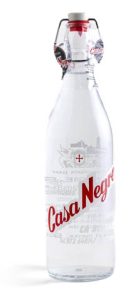
Casa Negre Soda Water
Sweet, lemony and with lovely carbonic bubbles, soda is one of the traditional universal soft drinks: mixed with beer, to make a shandy; with coffee, to make a coffee soda, or the classic wine with soda, which traditionally filled so many jars at lunchtime. Casa Negre, founded in 1926 in La Bisbal d’Empordà, can boast of being one of the most historic carbonated drinks factories and of maintaining a timeless flavour.
Company: Casa Negre
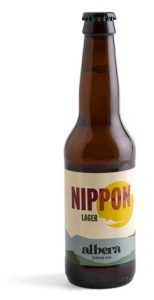
Nippon
Clear, light and dry, Nippon is an Asian-style lager resulting from a collaboration between Cervesa Albera and Projecte Gorg, from Mas Les Comelles, in Sant Feliu de Pallerols, in La Garrotxa. This extra dry blonde is made by Lluc Cordonet Donat in Garriguella, in L’Alt Empordà, with barley malt and rice from L’Empordà.
Company: Cervesa Albera
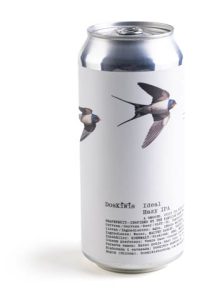
Ideal IPA
The DosKiwis brewery makes this cloudy India Pale Ale (IPA) from barley malt, wheat malt, oats and wheat. Those who try this Ideal IPA will encounter tropical aromas, fruit, resin and pine, with a bitter finish. Judit Piñol, from Llofriu in El Baix Empordà, and Michael Jones, from Auckland in New Zealand, opened the DosKiwis brewery pub in Rupià, in El Baix Empordà in 2016.
Company: Doskiwis Brewing, SL
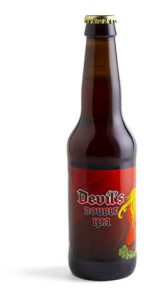
Marina Devil’s Double IPA (gluten-free)
Pep and Kevin Andreu created the Brewers Brothers brewery in 2010 in Blanes, marketing their products under the Marina brand, which has made them famous. Marina Devil’s Double IPA is a top-fermented beer, with a dense head, amber in colour, with aromas of peach and apricot, and tropical fruits provided by the double hops, which also give it characteristic bitter touches. The other feature to highlight is that it is a gluten-free beer.
Company: Cervesa Marina
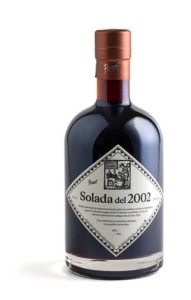
Solada 2002
Xavier Codina created Solada in 2002, when he began aging his ratafia in oak barrels. Ten years later, in 2012, Ratafia Russet incorporated the lees system, to transmit the memory of all the previous ratafias to its liqueur made from a maceration of green walnuts, aromatic herbs and spices. Founded in 1903 in Olot, Ratafia Russet, apart from being the most popular of all the ratafias that are made and marketed, is the company that held on when many others gave up on this traditional drink.
Company: Ratafia Russet
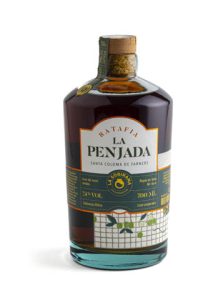
La Penjada Ratafia
La Sobirana is a cooperative founded in 2018 in Santa Coloma de Farners, the great capital of ratafia. La Penjada is their reference ratafia and takes its name from the penjat (hanging), an ancient process for flavouring spirits in which whole oranges are hung in a closed container with alcohol, so that the aroma and colour of the essential oils is slowly imparted. Aged in oak barrels, La Penjada Ratafia is made from that grain alcohol flavoured with hanging oranges. Compared to other ratafias, the small amount of sugar and the presence of walnuts and orange stand out.
Company: La Sobirana Cooperativa
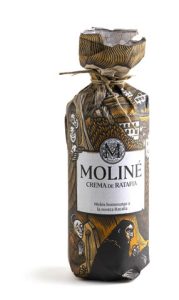
Moliné Cream of Ratafia
Licors Moliné was founded in 2011 at Hostal Moliné in Bruguera, near Ribes de Freser. David Bartrina and Pol Salvans, pharmacist, took the reins of Licors Moliné in 2022 and have kept the recipe made popular by the hostel located in the foothills of the Taga. With Moliné Ratafia, made with a small amount of sugar, a cream of ratafia is produced that is suitable for vegans, as it contains coconut milk instead of dairy products. Hazelnut-coloured, honeyed and with intense echoes of green walnuts, this cream is the result of a collaboration with Àlquia, a company spun off from the Rovira i Virgili University, dedicated to the research and development of fermented spirit beverages.
Company: Licors Moliné
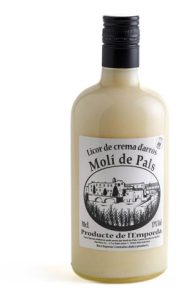
Molí de Pals Cream of Rice
This low-alcohol liqueur is the result of a collaboration between a company from L’Alt Empordà and one from El Baix Empordà. In Pals, in El Baix Empordà, the rice is grown, and in Garriguella, in L’Alt Empordà, this liqueur is made, reminiscent of rice pudding. In fact, it is prepared by mixing a maceration of rice in alcohol, the distillate of a hydroalcoholic solution with cinnamon, sugars and dairy products.
Company: Arròs Molí de Pals
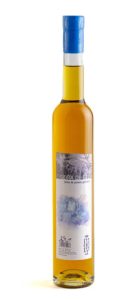
Sidra de Gel Mooma
Cider made using Canadian methods with apples grown by Mooma in Palau-sator, in El Baix Empordà. Due to the low temperatures there, the apples are harvested frozen with more concentrated sugars, which causes a higher alcoholic content during fermentation. Mooma ice cider is more acidic, refreshing and aromatic, with an elegance that allows it to be drunk alone.
Company: Mooma
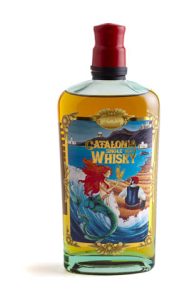
Catalonia Single Malt Whisky
Joan Isaac Castelló Batalla, founder of Quevall Licors Artesans, presents the first pure malt whisky produced in Catalonia, with several unique features that make it very special. First, it is made with local ingredients: the barley is grown and malted in Catalonia. After two distillations in copper stills, the whiskey is aged in a variety of casks made from Montseny oak. The bottle, cork and label are made by Catalan companies and, to top it off, the wax used to seal the top comes from Empordà beekeepers.
Company: Quevall
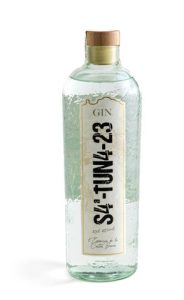
Sa Tuna Gin
Destil·leria Empordà and Sa Tuna Gin originated in 2020 in a high school research project by Ferran Montfort, David Rio and Arnau Viusà. In November 2022, the project turned more professional and works on its distillery in Forallac, in El Baix Empordà, began. Sa Tuna Gin is a fresh and smooth gin, made from a selection of fifteen botanicals, distilled by infusion in a traditional copper still. Transparent and bright in colour, it is packaged in a turquoise blue recycled glass bottle, a colour inspired by the waters of Sa Tuna cove.
Company: Sa Tuna Gin