The vineyards in the DO Empordà give a particular air to the landscape and accentuate its beauty. The panorama becomes poetic when the green vineyards contrast with the blue of the sea. Although archaeology confirms the existence of wild vineyards and the wine trade in Iberian times, it was not until Roman times that regular vine cultivation began in the many towns built during the Roman Empire. The vineyard gradually conquered increasingly inhospitable terrain. With the plain dedicated to cereals, the vineyard had to move up the slopes. The terraces built on Cap de Creus, with 14,000 kilometres of dry stone wall, were filled with vineyards. At the same time, or later, the Benedictines, the builders of Europe, and other religious orders extended vine cultivation, and became the first great promoters of wine.
In 1975, the designation of origin DO EmpordàLwas set up. Wines are produced under this label with different varieties of Grenache, also called Lledoner, with Samsó or Carignan, Macabeo and Muscat of Alexandria.
The commitment to the landscape and the sustainability of the territory led a dozen Empordà wineries to join the “Taps de Finca” brand in 2018, an initiative promoted by the Catalan Cork Institute and the DO Empordà to vindicate local cork. The cork tree, also called cork oak or cork (Quercus suber), is precisely one of the essential elements in the Mediterranean landscape. The cork oak, more than any other plant, tolerates fire exceptionally well, with a remarkable ability to regenerate afterwards.
A trend reflecting commitments to the environment and ultra-localism in pursuit of universality is natural wine: minimal intervention, indigenous yeasts, no added sulphites… You’ll notice that these wines have been seamlessly incorporated into the overall philosophy, each either in a category, young or not, white or red, or without any specific classification.
Wines with the 2025-2026 Girona Excel·lent seal
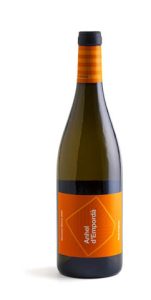
Anhel d’Empordà White
Although the Pairós have a long history with wine, which is documented from 1871, the Pere Guardiola winery was not born until the late 1980s. In the twenty-first century they created the Anhel d’Empordà brand, which only includes varieties from L’Empordà and organic wines. Anhel d’Empordà White is a wine made only with white Grenache grapes, harvested manually, in which the must has fermented in French oak barrels. Pale and bright yellow in colour, it is fruity and floral, with good acidity and structure.
Company: Pere Guardiola
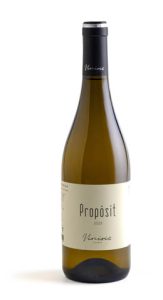
Propòsit white 2023
David Saavedra makes this white wine aged with grapes from the Garnacha Blanca and Malvasia varieties, planted in the 12 hectares of vineyards they work in Calonge. After twelve days of cold fermentation and three months on the lees, without clarification, filtering or stabilization, it is aged for two months in French oak. All of this results in a complex, spicy wine with stone fruit and floral notes.
Company: Celler Viníric
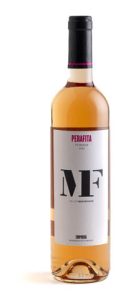
Perafita rosé 2024
The Cabernet Sauvignon used to make this rosé wine is harvested in a vineyard in the highest part of Cap de Creus, on slate soils, with great light exposure and influenced by the wind loaded with saline air from the Mar d’Amunt. To obtain the rosé wine, the must is not macerated and is fermented in stainless steel tanks. The result is a sparkling pink gemstone rosé wine. It is fresh and festive, floral, with notes of red fruit, and very sweet.
Company: Celler MF – Sa Perafita
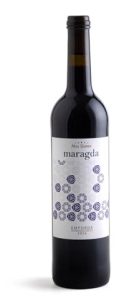
Maragda
Mas Llunes is a family winery that can document its presence in Garriguella from 1331. They only produce wines from their own vineyards, some of which are over a hundred years old, following the rules of organic production, seeking harmony between the vines and native biodiversity. Maragda is a young red wine, made from Grenache, Carignan and Merlot. Cherry in colour, it retains all the fresh fruit and aromas of its youth.
Company: Mas Llunes
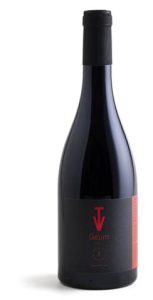
Geum 2023
Vins de Taller is a project born at the beginning of the century in Siurana d’Empordà, linked to ecology and biodynamics. This matured red wine is made with hand-harvested and table-selected Merlot grapes, planted in 2002 in Siurana d’Empordà. Aged in French oak barrels for six months, it is a voluminous, structured, tannic wine, with aromas of red fruit, vanilla and toasted notes.
Company: Clos de Basella
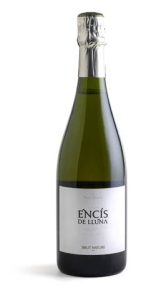
Encís de Lluna
The Mas Llunes winery produces its brut nature sparkling wine using the traditional method, with grapes from the Garnacha Blanca and Macabeo varieties from the vineyards of the Fontanilles area, within the Protected Natural Area of the Xarxa Natura 2000 de l’Albera, planted on slate soils and worked applying sustainable viticulture that respects the environment. After vinifying the varieties separately, the blend and second fermentation in the bottle are carried out, with an aging of 48 months before disgorging. Pale straw in colour, this sparkling wine is fresh and elegant and has aromas of white fruit and citrus, and notes of pastry and yeast.
Company: Mas Llunes
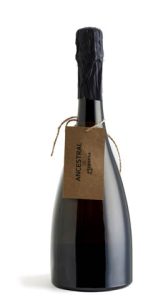
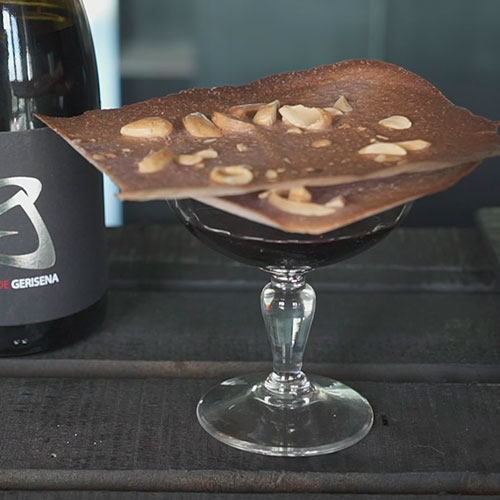
Gerisena Ancestral
Celler Gerisena produces this ancestral sparkling wine only with grapes of the red Garnacha variety from vineyards located in the municipality of Garriguella and with native yeasts. It is yellow in colour, has small bubbles, is very fresh in the mouth, gives off intense aromas of white fruit and has a final citrus touch. The winery reminds us that, as it is an ancestral wine, it may have a natural precipitation, due to the minimal intervention that has taken place.
Company: Celler Gerisena
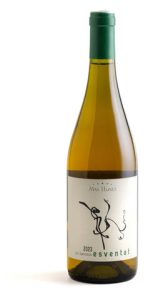
Esventat
Made entirely with grapes of the white Garnacha variety, harvested manually and fermented in contact with the grape skins and with indigenous yeasts from the same vineyard, without any addition of sulfites throughout the production process, Esventat is a minimal intervention wine, which is aged in stainless steel tanks until bottling. Bright yellow in colour, with aromas of citrus, dried fruit and candied fruit, it is a highly structured wine.
Company: Mas Llunes
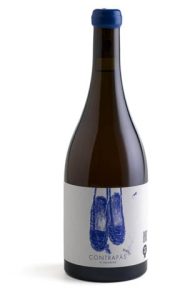
Contrapàs White 2024
Vinyes dels Aspres produces this sparkling wine in Cantallops exclusively with Lledoner Blanc (White Garnacha), macerated with the skins for a week, which gives it its golden yellow color, and fermented in 2.25 hectolitre French oak barrels, with wild yeasts and without the addition of sulfites. With aromatic touches of baked apple, vanilla, orange peel and candied fruit, it is a robust wine in the mouth. This wine is capped with cork from the wineries own cork oaks.
Company: Vinyes dels Aspres
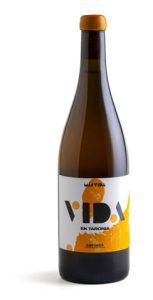
Vida en Taronja
Mas Vida is a small-scale project in Cistella, east of Mare de Déu del Mont, in the Garrotxes d’Empordà, with 7 hectares of vineyards, 17 of olive groves and 58 of its own forest. This project has been developed around the hermitage of the Mare de Déu de Vida and is governed by the criteria of regenerative agriculture, in order to achieve a soil with more life in it. Vida en Taronja is a wine bottled in amphora, made from Sauvignon Blanc grapes harvested from three terraces located less than five hundred metres from the winery in Cistella.
Company: Mas Vida Celler
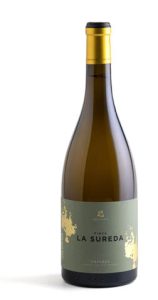
Finca la Sureda 2024
Celler Gerisena is a subsidiary of the Cooperativa Agrícola de Garriguella, one of the oldest cooperatives in L’Empordà, with 173 hectares of vineyards. Of these, the 30 hectares of old vines with an average age of 80 years per vine are for Celler Gerisena. Finca la Sureda is a wine made only with grapes from old red and grey Carignan mountain vines from a 1960s farm of the same name on slate land. It is capped with natural cork from cork oak forests in Empordà estates. This is a wine with golden reflections, clean and bright, with aromas of white fruit, white flowers and citrus, which continue in the mouth, where it is long and complex.
Company: Celler Gerisena
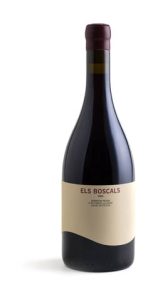
Els Boscals
Designer, model and philanthropist Elsa Peretti built the Eccocivi winery between 2007 and 2008 in a spot in the middle of the Gavarres, in Sant Martí Vell, a village that she helped restore and rebuild, starting with Ca l’Elsa, her farmhouse. Although much of the vineyard is cultivated on volcanic soil, the red Garnacha grape in this spontaneously fermented wine comes entirely from a farm in the Boscals valley, which has deep soils with pebbles and schists, the result of Mediterranean storms. Aged for eight months in old 500 and 600 litre barrels, of an intense red colour, it contains spicy red fruit, with minerality and soft tannins. It is bottled without clarification, stabilization or filtration.
Company: Eccocivi
Fortified wines
In Mediterranean tradition, the table has been central ever since Plato found the inspiration to write Sympósion, the dialogue known as The Symposium. The rich wines are served at the table: ranci wine, muscatel, grenache, mistella…, which many people accompany with biscuits, teules, neules, carquinyolis, dry biscuits, bunyols, tortell, etc. And if the gathering lasts longer, it continues with longaniza and fuet, a salty contrast, which are accompanied by the oldest Grenaches.
Literature is full of references to the table — enjoyable moments not because of the food, but because the times spent at the table after a meal are usually memorable, thanks to the good company and the wines served on special occasions.
Part of the discussion may refer to the sweetness of the wines. Whether muscatel is sweet, floral and mellow. Whether Grenache, a natural sweet wine made with lledoner, is the most unique and characteristic product from the designation of origin. Whether you like it with a higher sugar concentration, or with a high degree of oxidation, similar to the ancestral rancis wines. In fact, based on ancient traditions, oxidative aging in old wooden barrels, restored to preserve the exquisite taste our patient ancestors perfected, is making a comeback.
Fortified wines with the 2025-2026 Girona Excel·lent seal
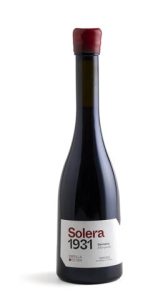
Solera 1931
The Celler Cooperatiu d’Espolla has magnificent architecture and spectacular barrels for the aging and maturation of sweet wines. Actually the solera of barrels where their Garnacha undergoes oxidative aging date back to 1931, when the building was inaugurated. This natural sweet wine is made with grapes of the Lledoner Blanc and Lledoner Roig varieties, to which wine alcohol is added mid-fermentation. Amber in colour, approaching mahogany, Garnacha is the great Empordà dessert wine.
Company: Celler Cooperatiu d’Espolla
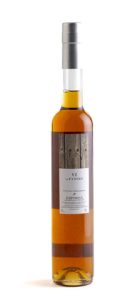
Vi de Panses
Sweet Garnachas are one of the most characteristic wines of L’Empordà. In addition, this one is made with Lledoner Roig, one of the most emblematic varieties, highly appreciated because it produces a rosé must. This raisin wine is also naturally sweet, since once harvested, the best grapes are dehydrated for fifty days with the help of the Tramuntana wind. In November, these raisins, with half the water content of fresh grapes, are pressed to obtain a must with very concentrated sugars, which slowly ferments for months in stainless steel tanks until this orange, honeyed, fragrant, seductive wine is naturally obtained.
Company: Vinyes dels Aspres
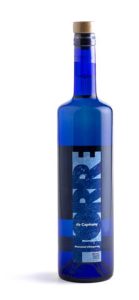
Moscatell Torre de Capmany
Muscatel has always been on the table next to Garnacha wine to accompany dried fruit, biscuits and bunyols. The Pere Guardiola winery has enormous experience in the production of sweet wines, which it markets under the Torre de Capmany brand. Fresh, floral and elegantly sweet, their muscatel is a natural sweet wine made exclusively with grapes of the Muscat Romano variety.
Company: Pere Guardiola
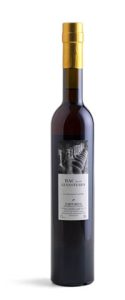
Bac de les Ginesteres
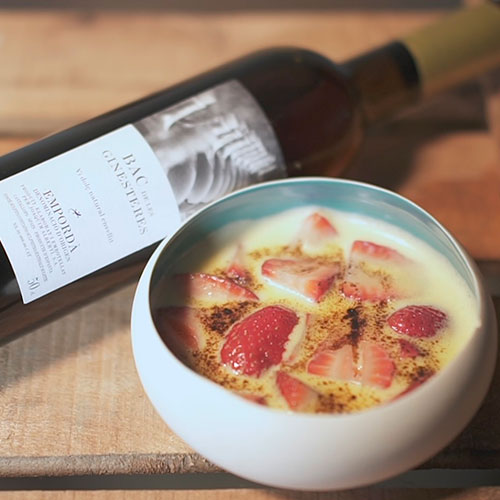
Vinyes dels Aspres, in Cantallops, have their winery in Can Batlle, a manor house at the foot of the Albera mountains, that dates to as early as the seventeenth century. They only work and harvest grapes from their property, from the traditional varieties most adapted to the country, to make the most characteristic wines of L’Empordà. Bac de les Ginesteres is one of the most unique, laborious and praised wines. Once the red Garnacha is harvested, it is left to dry for fifty-nine days and pressed as if it were fresh. Once fermented for months in stainless steel tanks, they let it mature and oxidize, for another fifty months in the sun and quiet in twenty-litre glass bottles. And out comes that sweet, oxidized wine or that much-vaunted, rancid sweet.
Company: Vinyes dels Aspres
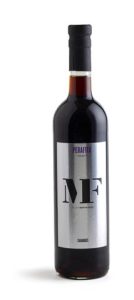
Perafita Vermouth
The Celler Martín Faixó has 18 hectares of vineyards on slate soils. The Tramuntana wind and the Mediterranean Sea mark the identity of this vermouth by providing freshness, structure and a characteristic minerality. Some of the varieties from these vineyards are present in this very special vermouth. Wines made from red Garnacha, Merlot and Muscat d’Alexandria are selected and fortified, and flavoured with botanicals from the Cap de Creus Natural Park. Ideal for drinking alone or in cocktails, this vermouth has a great fragrance and an elegant mahogany colour, and is aged for fourteen months in French oak barrels.
Company: Celler MF – Sa Perafita
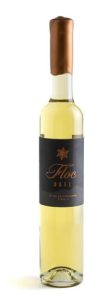
Floc DGel
Founded by five friends from the world of skiing and teaching, Rosa Españó, Xavier Domingo, Marcel Cardeña and oenologists Anna Baqués and Isaac Rigau, Llivins was started in 2012 from a passion for the mountains and wine. Floc DGel is an ice wine of the mountains from head to toe, produced at 1,225 metres above sea level, made from grapes of the Sauvignon Blanc variety, harvested on the same night of the frost, so that it is the ice that makes the skins break. That’s why the winery is right next to the vineyard. The must is fermented in stainless steel and the wine is aged for fifteen months in medium-toasted French oak barrels. The vineyard is certified organic, complemented by ideas of permaculture and regenerative agriculture; they have an insect hotel. They cultivate one hectare of vineyards, in part of which old recovered Pyrenean varieties are experimented with to study their viability.
Company: Llivins
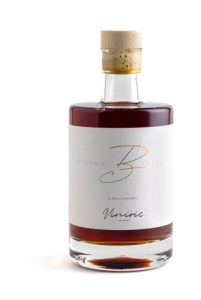
Eterna Bellesa Dolça Natural
This naturally sweet wine is genuine, especially due to the combination of Muscat and Malvasia, varieties that are generally found on their own. To concentrate sugars, acids and aromas and to save topping with alcohol, the grapes are left to dry in the vineyard until their volume is reduced by more than half; they are pressed and fermented, leaving a lot of residual sugars. This wine is aged in a French oak barrel with a solera from 2017. Half of the barrel is bottled each time.
Company: Celler Viníric
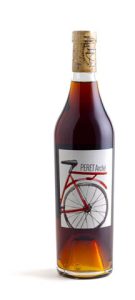
Peret Arché 2021
Grape growers in Capmany since 1894, the Arché Pagès family decided to create their own winery in 2004, upon reaching their fifth generation. Under the leadership of Bonfill Arché, they cultivate 23 hectares of vineyards, mainly of the white, black and red Lledoner varieties, and white and black Cariñena. To make this boiled wine they use black Lledoner from the l’Hort vineyard, planted in 1995. Boiling wine is a technique for making sweet wine without drying the grapes or topping with alcohol. They follow the formula of their great-grandfather Peret, from the second generation, who always rode a bike, as shown on the label. Once they have the grapes in the cellar, they refrigerate them in a chamber, remove the skins, press them and macerate the must for a day. The next day they boil the must for several hours until they obtain the desired sugar concentration. Once cold, it is put in the barrel and allowed to start fermentation spontaneously. The final wine, at 12º, is left to age for three years in old oak barrels.
Company: Celler Arché Pagès
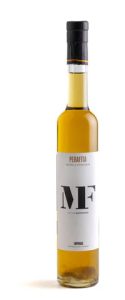
Perafita Mistela d’Empordà
The Martín Faixó family, with more than sixty years of commitment to Cap de Creus, restored Mas Perafita in 2003, a fourteenth century farmhouse between Cadaqués, Roses and Port de la Selva, to develop their wine project which they started in 2000. They make mistelle with grapes of the Muscat d’Alexandria variety. The result is an amber wine that retains all the sweetness of the muscat must, with aromas of honey, raisins and roses, with a flavour of apricot and dried fruit.
Company: Celler MF – Sa Perafita
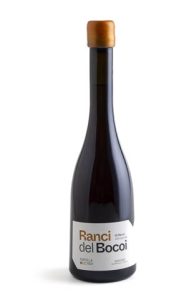
Ranci del Bocoi
Rancid wines, like all oxidatively aged wines, have a glorious past and are a passion shared by great sommeliers and wine enthusiasts from around the world, who appreciate their dryness. In Catalan cuisine, rancid wines are used in many traditional recipes, as well as pairing with sweet and savory dishes, such as sweet bread with fuet or llonganissa. The Ranci del Bocoi from the Celler Cooperatiu d’Espolla is made with slightly overripe red and white Lledoner grapes, with a subsequent slow oxidative aging in wooden tanks and a very old solera.
Company: Celler Cooperatiu d’Espolla